
Practice area 03 of 05

Disability & mental health.

Representing people whose liberty is limited by diagnosis — and working with NGO partners to make those limits legible, navigable, and challengeable.

Scope
Capacity, liberty, dignity

From Mental Health Review Tribunal advocacy and conditional discharge representation, through disability discrimination litigation, to co-produced information materials for patients and healthcare professionals.

What we do

Hong Kong's mental-health regime — principally the Mental Health Ordinance (Cap. 136), and especially its Conditional Discharge provisions under section 42B — places significant restrictions on the liberty of patients who have been formally discharged from psychiatric hospitals. Those restrictions can include residence at a halfway house, curfews, controlled movement, and ongoing medication compliance. They can last indefinitely. They are reviewed by the Mental Health Review Tribunal only when the patient applies, and until recently, patients were often not informed that they could apply.

The clinic's work in this area runs on parallel tracks. We provide legal representation to patients at MHRT reviews and in related proceedings, and we advocate for discrimination cases where disability has been the ground of differential treatment. Alongside that casework, our students work with NGO partners to produce practical tools — plain-language guides, bilingual materials, institutional proposals — that make the legal framework knowable and usable by the people it affects.

The two tracks meet at the same question: what does it mean for a legal right to actually be held? A statute that a person cannot name, understand, or exercise is a statute that does not protect them.

The framework, schematically

Section 42B: how Conditional Discharge actually works.

A patient under section 42B is in the community but not free of legal restriction. The diagram below shows the key features of the regime — and the narrow window through which review can be sought.

STARTING POINT Detained in psychiatric hospital · ss. 31, 36 MHO SECTION 42B ORDER Conditional Discharge from hospital Made by the medical superintendent CONDITIONS THE ORDER MAY IMPOSE Residence Halfway house or specified address. Curfew. Controlled movement. Recall to hospital if breached. Treatment compliance Attend appointments. Take prescribed medication. Cooperate with care plan. Other restrictions As specified in the order. Patient can be required to comply indefinitely. THE REVIEW WINDOW Mental Health Review Tribunal application Patient must apply themselves. No automatic review. WHAT THE CLINIC DOES Represents patients at MHRT review · prepares case for discharge or condition variation · works to make the review window itself knowable.
In practice

Six areas of work

The clinic works across representation, co-produced tools, and engagement with public institutions. Each of the areas below reflects ongoing casework and research; some are more developed than others, and the list will evolve as the clinic grows.

01

Mental Health Review Tribunal advocacy

Representing patients under Conditional Discharge orders at their MHRT reviews. Preparing the case for discharge, addressing the conditions imposed, and ensuring the patient's own account of their circumstances is before the Tribunal.

02

Halfway house and residential conditions

Advising on the conditions imposed by halfway houses on CD patients — curfews, financial controls, movement restrictions — and advocating for those conditions to be proportionate to what public safety actually requires.

03

Plain-language written guides

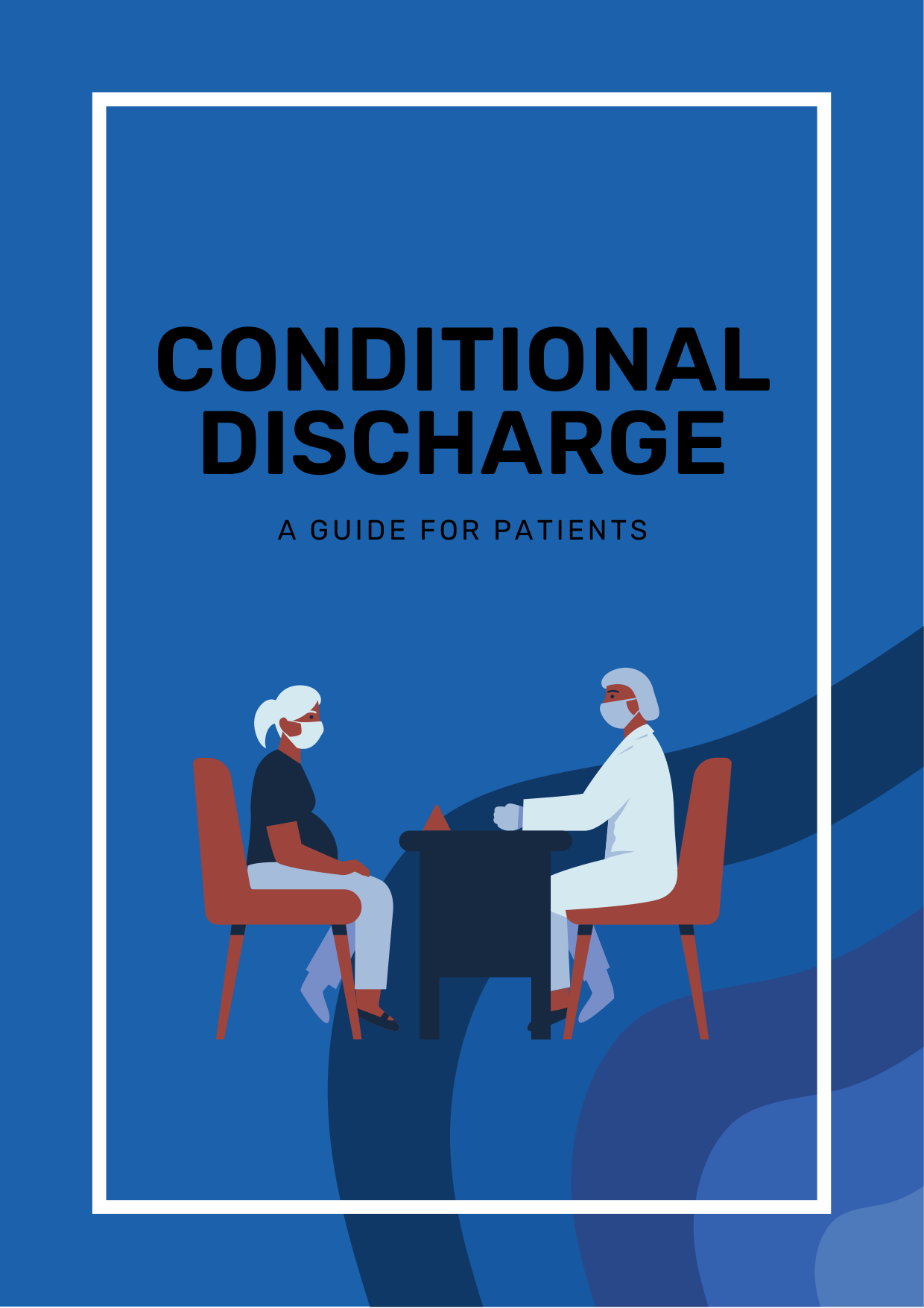
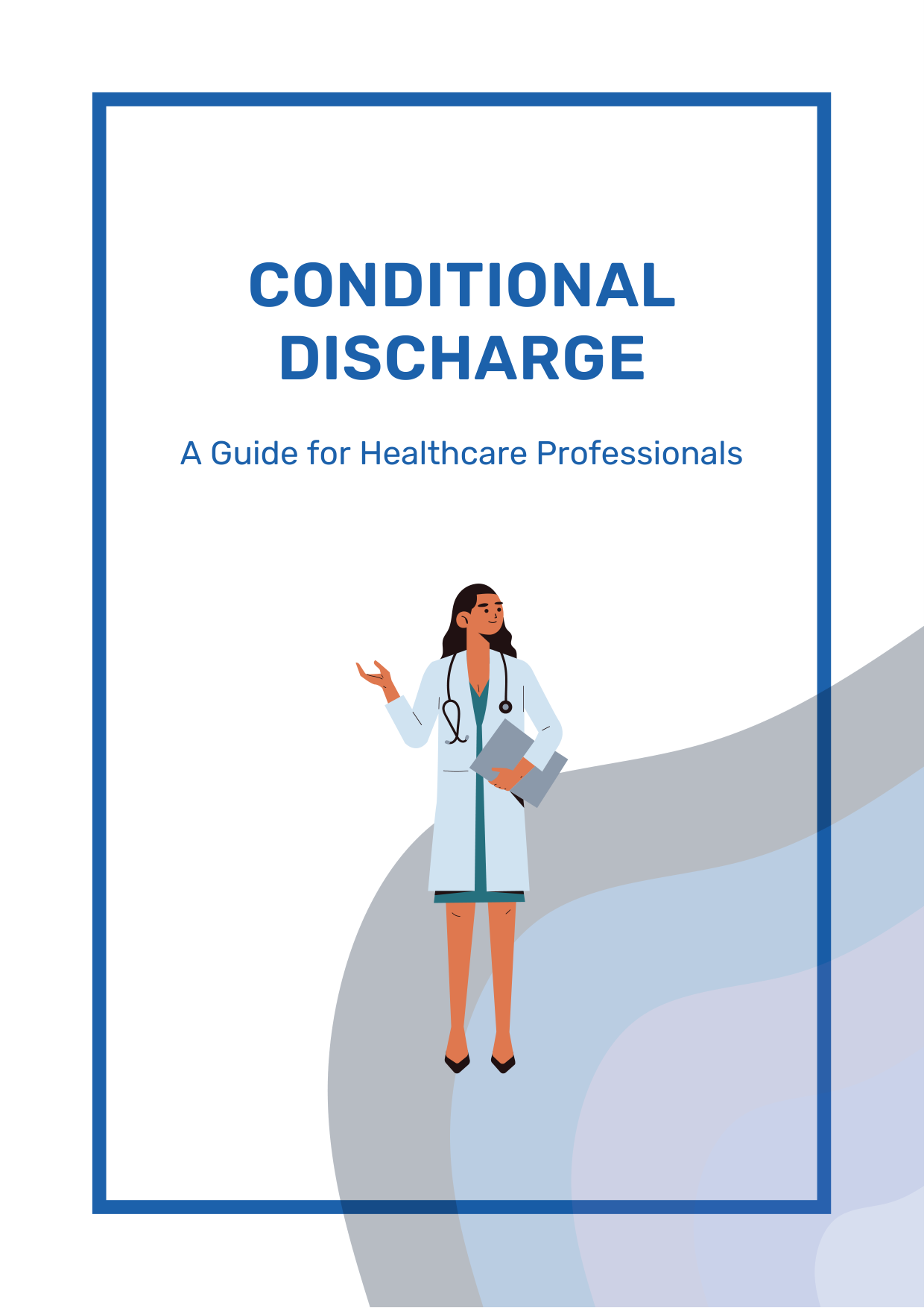
Working with NGO partners to produce plain-language guides that make rights under the Mental Health Ordinance knowable to the people they affect — and to the healthcare professionals responsible for their treatment. See the two Conditional Discharge guides below.

04

Digital tools for patients

Alongside the written guides, the clinic has worked with NGO partners to develop a mobile tool for Conditional Discharge patients — helping users understand their rights under section 42B, track key review dates, and reach legal aid and peer support directly.

05

Disability discrimination

Individual representation on disability-based differential treatment — in the provision of services, in reasonable accommodation, and in the application of public-facing eligibility rules. Casework ranges from specific administrative decisions to broader engagement with institutional policy.

06

Mental capacity & supported decision-making

Representing individuals whose legal capacity has been questioned, and advocating — in the longer term — for a supported decision-making framework that preserves the person's voice rather than substituting the judgment of others for theirs.

Operating principle

Dignity as the measure.

Rights for people with disabilities and mental health conditions are easy to proclaim and difficult to operationalise. Our benchmark is not whether a statute is formally complied with, but whether the person's daily experience — in the halfway house, at the medical appointment, in the MHRT hearing — reflects what that statute promised them.

Why this matters
"A right that a person cannot name, understand, or exercise is not yet a right they hold."
— HKU Law Public Interest Clinic
Partner organisations

Who we work with in this area.

The clinic's work on disability and mental health depends on partnership — with NGOs who hold trusted relationships with affected populations, and with peer support organisations who understand the regime from the inside.

Hong Kong Dignity Institute
Concord Mutual-Aid Club Alliance
康和互助社聯
← Previous practice area
Human trafficking
Next practice area →
Child protection